Why an SOS Button for Seniors Can Offer More Than Just Emergency Help
When my grandmother first mentioned the idea of getting a personal alarm, she sounded almost apologetic. She had lived alone in her own home for nearly thirty years after my grandfather passed, and admitting she might need a little backup felt like a surrender to her. I remember her exact words: "I just want something simple. I don't want to learn a computer. I just need a button." That conversation came back to me recently when I started looking into what the market actually offers for older adults who want to stay independent but also want a safety net. What I found surprised me. An sos button for seniors is not just a panic button you press when something goes wrong. It is a tool that reshapes how families think about aging, how seniors think about risk, and how both sides approach daily life.
What Does a Simple Button Actually Do?
At first glance, the idea seems almost too basic. You press a button, and someone comes to help. But the reality is more layered than that. The best devices today combine multiple functions into a single wearable unit. They include GPS location tracking, so if a person wanders or cannot speak, help can still find them. They include fall detection, which is crucial because many seniors cannot press a button after a fall. And they include two-way voice calling, so the person monitoring the system can talk directly to the wearer and assess the situation before deciding what to send.
This is not the same as having a mobile phone with a speed dial for emergency services. An sos button for seniors is designed for people who may not be able to reach a phone, may not be conscious enough to dial, or may simply freeze in a stressful moment. The button becomes a physical anchor. It is always there. It does not need charging every night, and it does not require remembering a passcode. In that sense, it is one of the most honest pieces of technology I have come across. It does not pretend to be anything other than what it is: a direct line to someone who can help.

The Emotional Weight of Staying Put
There is a reason so many older adults resist moving in with family or into assisted living. Home is not just a building. It holds decades of memory, routine, and identity. The moment someone suggests leaving, it can feel like a loss of self. I have seen this with neighbours, with relatives, and with friends of my parents. The decision to stay at home is often defended fiercely, sometimes even when it is no longer safe. What a medical alarm does is shift the conversation. Instead of asking "Should you move?" families can ask "What do you need to stay?" That is a fundamentally different question, and it changes the tone of the entire discussion.
When the alarm includes GPS and fall detection, the safety net widens considerably. A fall in the garden, a dizzy spell in the bathroom, a moment of confusion while out walking the dog, all of these become manageable events rather than crises. The family does not have to be on edge every time the phone rings. The senior does not have to feel like a burden every time they need help. The system mediates the situation in a way that preserves dignity on both sides.
What to Look for in a System
Not all personal alarms are created equal. I have looked at a dozen different options, and the differences matter more than most people realise. Here are a few things I think are worth paying attention to:
Connect with us on YouTube.
- Fall detection that works automatically. Many falls happen when a person is alone and unable to move. A button is useless if you cannot reach it. Make sure the device detects a fall and alerts help without needing the user to press anything.
- GPS location tracking. This is especially important for seniors who still drive, walk alone, or spend time in the garden. Knowing exactly where the person is cuts response time dramatically.
- Two-way voice communication. A call centre operator who can talk to the wearer and hear what is happening can make better decisions than one who only sees a location dot on a screen.
- Waterproof design. Bathrooms are one of the most common places for falls. A device that cannot get wet is not fully useful.
- Long battery life and simple charging. If the device needs to be charged every night, it will eventually be forgotten. Look for something that lasts weeks or months on a single charge.
How Families Actually Use These Systems
I spoke with a friend whose father has been using a personal alarm for about eighteen months. She told me the first few weeks were quiet. He wore the pendant but never pressed it. Then one afternoon, he tripped on a loose rug in the kitchen. He was not hurt badly, but he could not get up on his own. He pressed the button, spoke to the operator, and within twenty minutes a neighbour had been contacted and was helping him off the floor. My friend said the shift in her father's confidence after that was noticeable. He stopped being afraid of being alone. He started going for longer walks. The device did not just solve a safety problem. It solved a psychological one.
That is the part of the story that often gets left out of product descriptions. An sos button for seniors is not just about falls and emergencies. It is about letting someone live their life without the constant background hum of fear. It is about letting adult children sleep through the night without worrying about a phone call that never comes. It is about keeping a family connected without turning every conversation into a check-in about safety.

The Limits You Should Know About
No device is perfect, and I think it is important to be honest about that. A personal alarm cannot prevent a fall. It cannot stop someone from wandering if they have dementia. It cannot cook meals or remind someone to take medication. What it can do is reduce the time between an incident and a response, and that time gap is often the difference between a minor event and a hospital stay. But families should not treat a medical alarm as a replacement for regular visits, care assessments, or home modifications. It is one tool in a larger kit.
Another thing to consider is that the quality of the monitoring service matters as much as the hardware. Some providers use automated systems that only send a text alert to a family member. Others have trained operators who can talk to the wearer, assess the situation, and dispatch emergency services if needed. The difference is significant. If you are looking at a system for yourself or a family member, ask about the monitoring centre directly. Who answers the call? What training do they have? Can they speak directly to the person wearing the device?
Making the Decision
Choosing a personal alarm is not complicated, but it does require some thought about what the person actually needs versus what the marketing says they need. For some people, a basic button with a long range and a loud speakerphone is enough. For others, GPS and fall detection are non-negotiable. And for many, the deciding factor is simply whether the device feels comfortable to wear every day. A pendant that sits under the shirt is useless if it is left on the nightstand. A wristband that chafes will be taken off and forgotten. The best system is the one that actually gets worn.
I have also learned that the conversation about getting a device should happen early, not after a crisis. When a family waits until after a fall or a scary episode to bring up the idea, it can feel like a punishment or a sign that the person is losing control. When the discussion happens calmly, in advance, it can be framed as a tool for independence rather than a symbol of decline. That shift in framing makes a real difference in how the device is received and used.
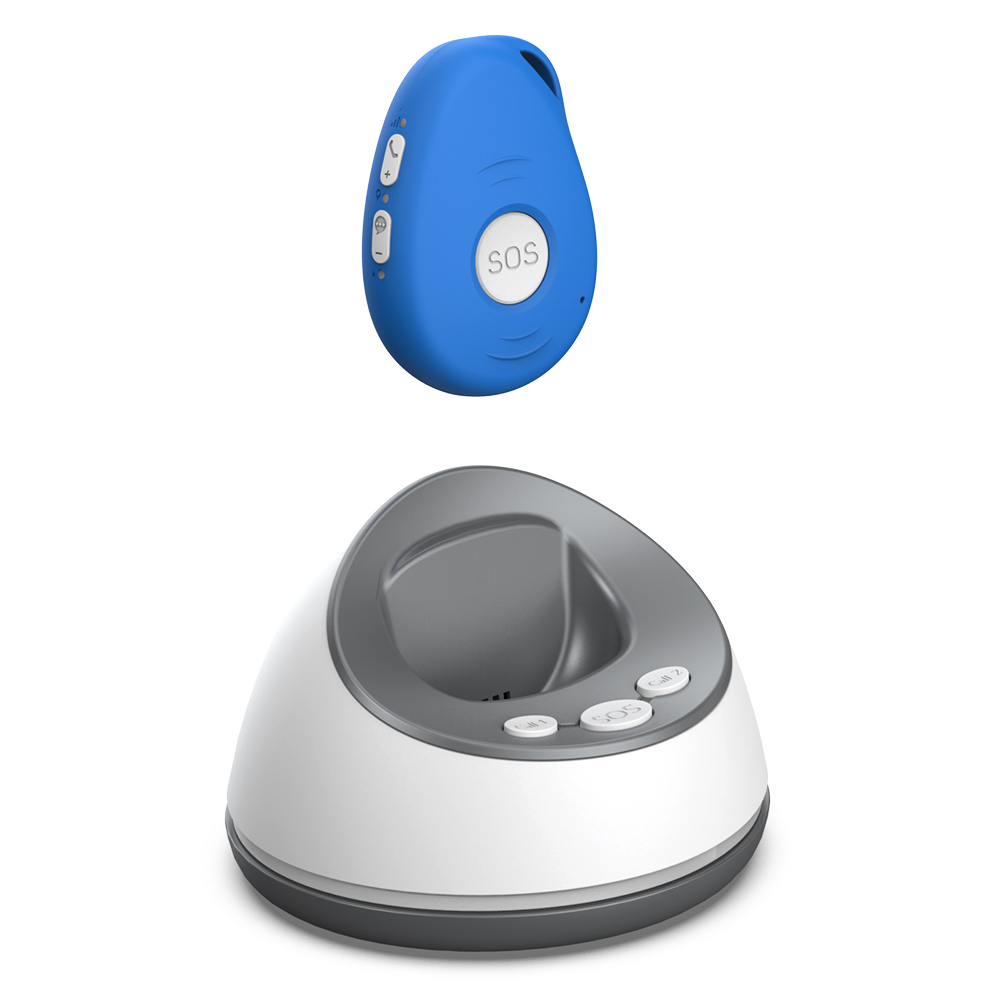
Familyr, based at 14 Grand View Road, Remuera, Auckland 1050, New Zealand, provides personal medical alarms for seniors with SOS, GPS, fall detection, and family-monitored two-way calling. You can reach them at +64 9 872 0345 for more information about their services.